Can one reusable water bottle really make a difference?
When faced with a global plastic pollution problem, it's easy to wonder whether individual actions matter at all. What difference can one reusable bag, one waste-free lunch, or one month of conscious choices really make?
More than you might think.
Every year, millions of people around the world take part in Plastic Free July, a global movement that encourages people to reduce unnecessary plastic use and build lasting habits that help prevent pollution before it starts.
What is Plastic Free July?
Plastic Free July began in Western Australia in 2011 and has since grown into a global movement involving millions of participants across more than 190 countries.
The challenge is simple: choose one or more ways to reduce your use of single-use plastics throughout July.
For some people, that might mean carrying a reusable water bottle. For others, it could mean refusing plastic cutlery, choosing products with less packaging, or packing lunches without disposable wrapping.
Importantly, Plastic Free July isn't about perfection. It's about becoming more aware of the plastics we use every day and identifying realistic changes that fit our lifestyles. The goal is to build habits that continue long after July ends.
Why does it matter?
Plastic pollution doesn't begin in our oceans.
Much of the marine debris found in the environment starts on land. Everyday items can be dropped, blown away, or escape waste systems before making their way into stormwater drains, rivers, and eventually the ocean.
Once there, plastic can persist in the environment for decades, impacting wildlife, waterways, and ecosystems. Over time, larger plastic items can break up into smaller pieces known as microplastics, making them even harder to remove.
And it's not just wildlife and the environment being affected. Scientists are increasingly finding microplastics in the air we breathe, the food we eat, and the water we drink. While research into the long-term impacts on human health is ongoing, these findings highlight just how widespread plastic pollution has become.
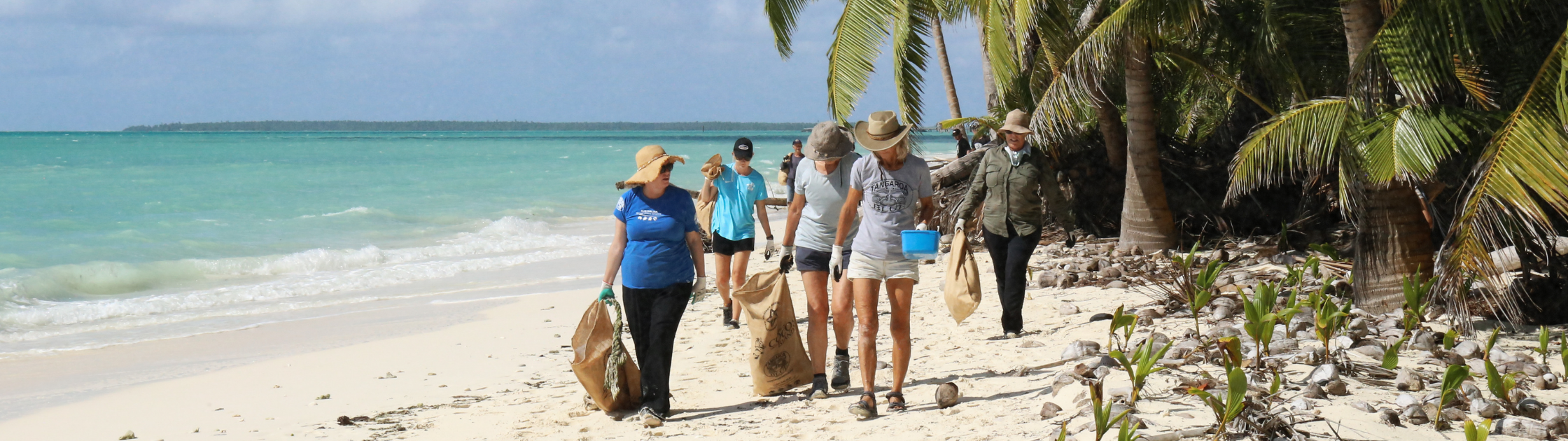
Through the Australian Marine Debris Initiative® (AMDI), Tangaroa Blue volunteers have recorded millions of debris items across Australia. Many of the items commonly found during clean-ups are everyday products that most of us use regularly, reinforcing the important role prevention plays in reducing marine debris.The most effective solution is often the simplest: stop waste before it becomes pollution.
How does Plastic Free July make a difference?
Plastic Free July works because it focuses on behaviour change.
A person who starts carrying a reusable water bottle for a month may continue doing so for years. A workplace that introduces reusable cups may permanently reduce single-use waste. A family that embraces waste-free lunches may discover it's easier than they expected.
These changes might seem small, but when millions of people participate, the impact adds up.
More importantly, Plastic Free July helps people recognise where waste is being created in their everyday lives and encourages practical alternatives that can become long-term habits.
Plastic Free July looks different for everyone
One of the strengths of Plastic Free July is that participation can be adapted to suit different lifestyles, budgets, and locations.
For some people, access to refill stores, bulk food options, and plastic-free alternatives is easy. For others, particularly in regional, rural, and remote communities, those options may be limited.
The good news is that reducing plastic doesn't have to mean buying new products.
Often, the most effective action is simply making better use of what you already have.
That could mean:
1. Reusing containers instead of buying disposable alternatives.
2. Keeping a reusable shopping bag in your car or bag.
3. Choosing products with less packaging when options are available.
4. Repairing items instead of replacing them.
5. Refusing unnecessary single-use items when offered.
Five realistic actions to try this July
Looking for a place to start? Choose one simple change and commit to it for the month.
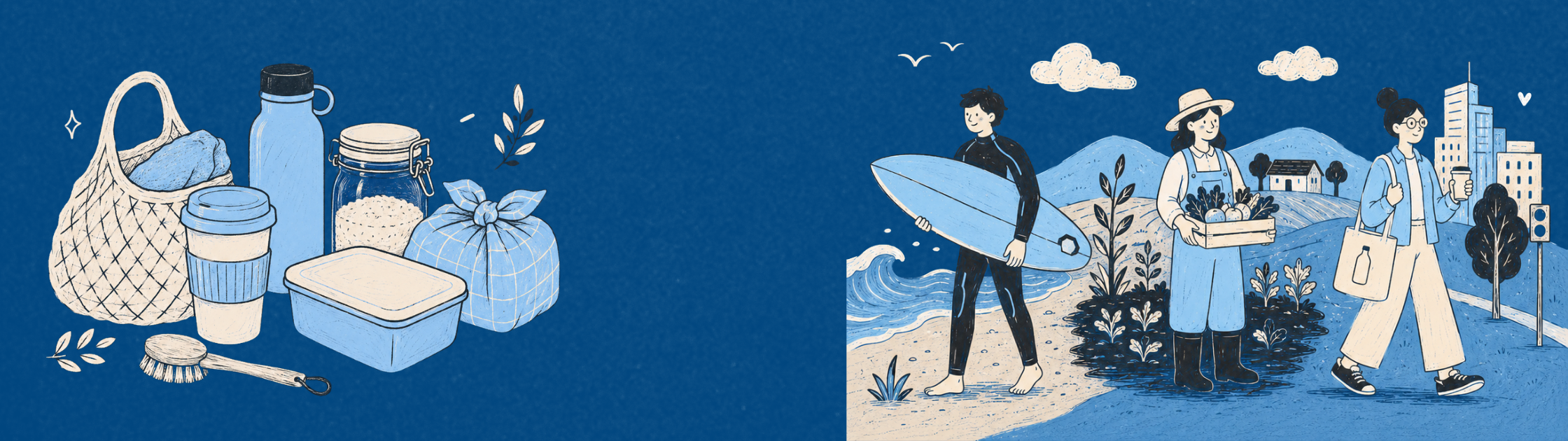
1. Carry a reusable water bottle
A simple habit that can help reduce single-use waste and save money.
2. Pack a waste-free lunch
Use reusable containers, lunchboxes, or wraps you already have at home.
3. Say no to unnecessary single-use items
If you don't need the straw, cutlery, or plastic bag, simply decline.
4. Choose products that are made to last
Before making a purchase, consider whether there is a reusable, repairable, or longer-lasting option available.
5. Start with one micro-swap
Don't try to change everything at once. Pick one habit and focus on making it stick.
Want to do more?
Reducing plastic use is one important way to prevent pollution, but there are other ways to take action.
You can:
- Join a local clean-up.
- Record the debris you collect through the Australian Marine Debris Initiative® (AMDI) to support evidence-based solutions.
- Encourage your workplace, school, sporting club, or community group to participate in Plastic Free July.
- Share what you've learned with family and friends.
Small changes create a ripple effect
Plastic Free July isn't about achieving zero waste overnight. It's about finding one change that works for you and building a habit that lasts.
Whether that's carrying a reusable bottle, refusing unnecessary single-use items, or packing a waste-free lunch, every action helps prevent pollution before it starts.
This Plastic Free July, choose one change and see where it leads.