Transforming marine debris into a lifeline for entangled whales
Entangled whales could soon receive an additional lifeline, with NSW rescue teams trialling repurposed satellite buoys to help relocate animals during complex rescue operations.
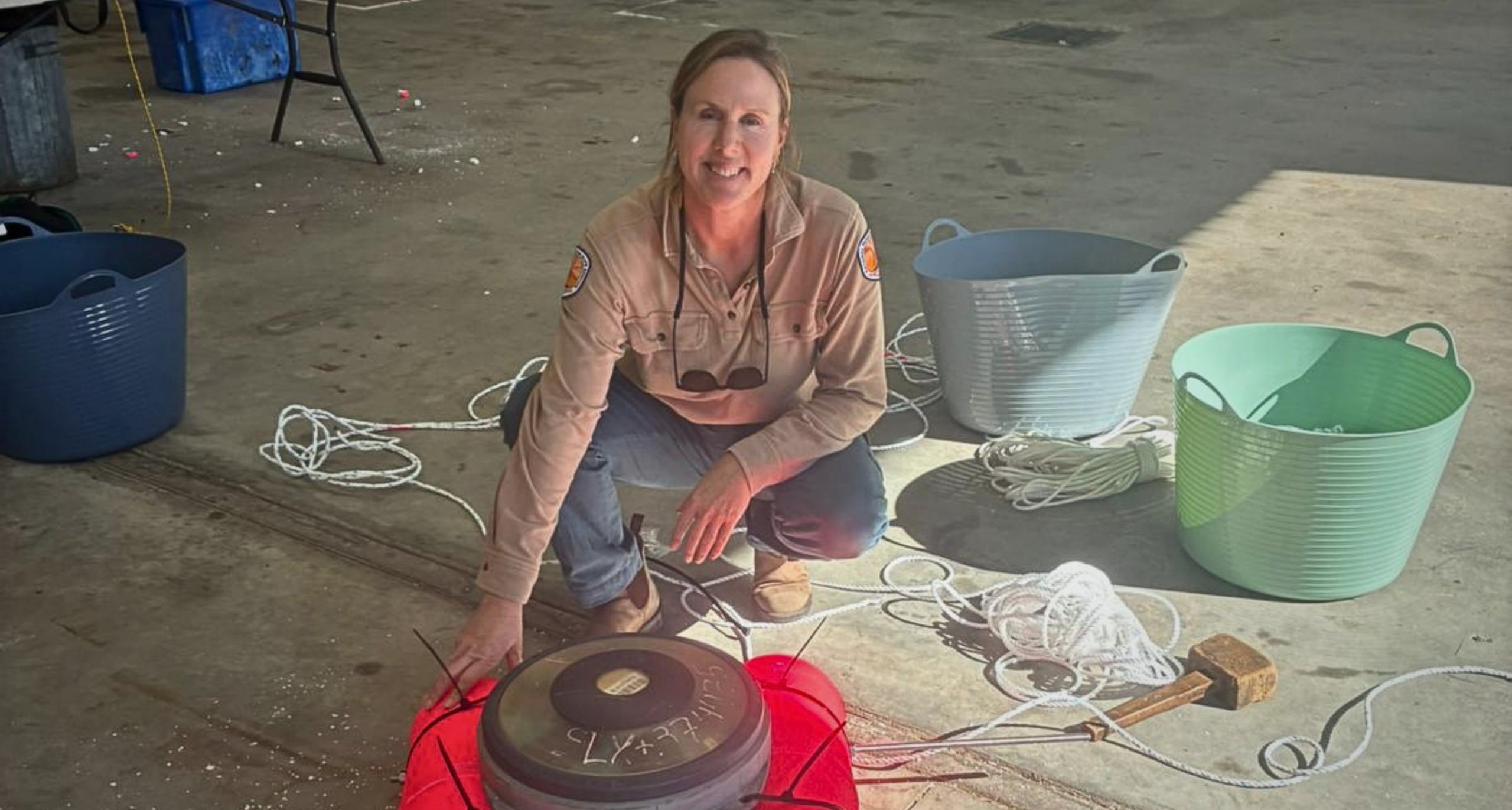
Tangaroa Blue Foundation has partnered with the NSW National Parks and Wildlife Service to test GPS satellite buoys recovered during sea and beach clean-ups. The devices originated from fish-aggregating devices, known as FADs, that drifted away from international fishing grounds in the South Pacific and into Australian waters.
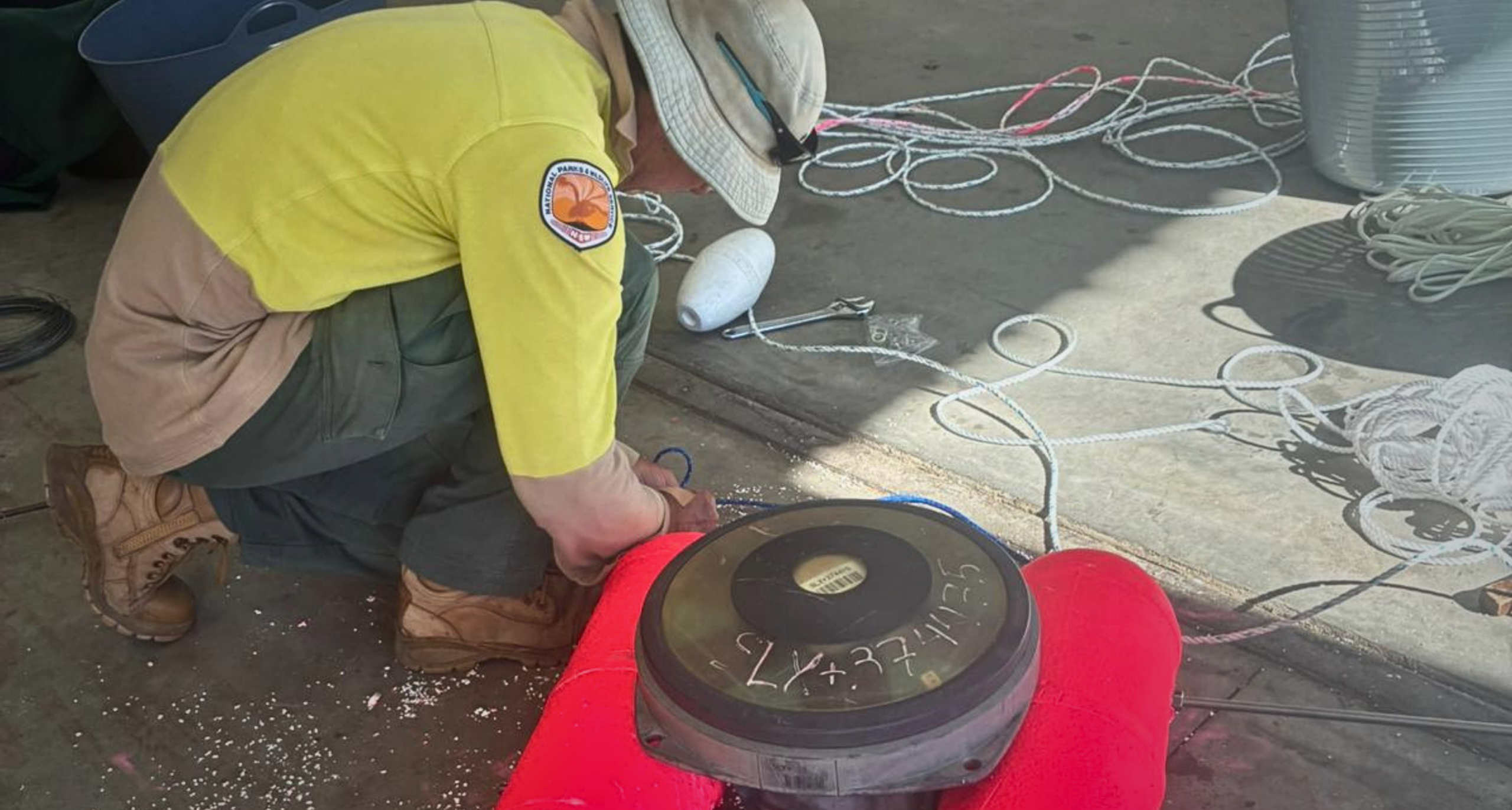
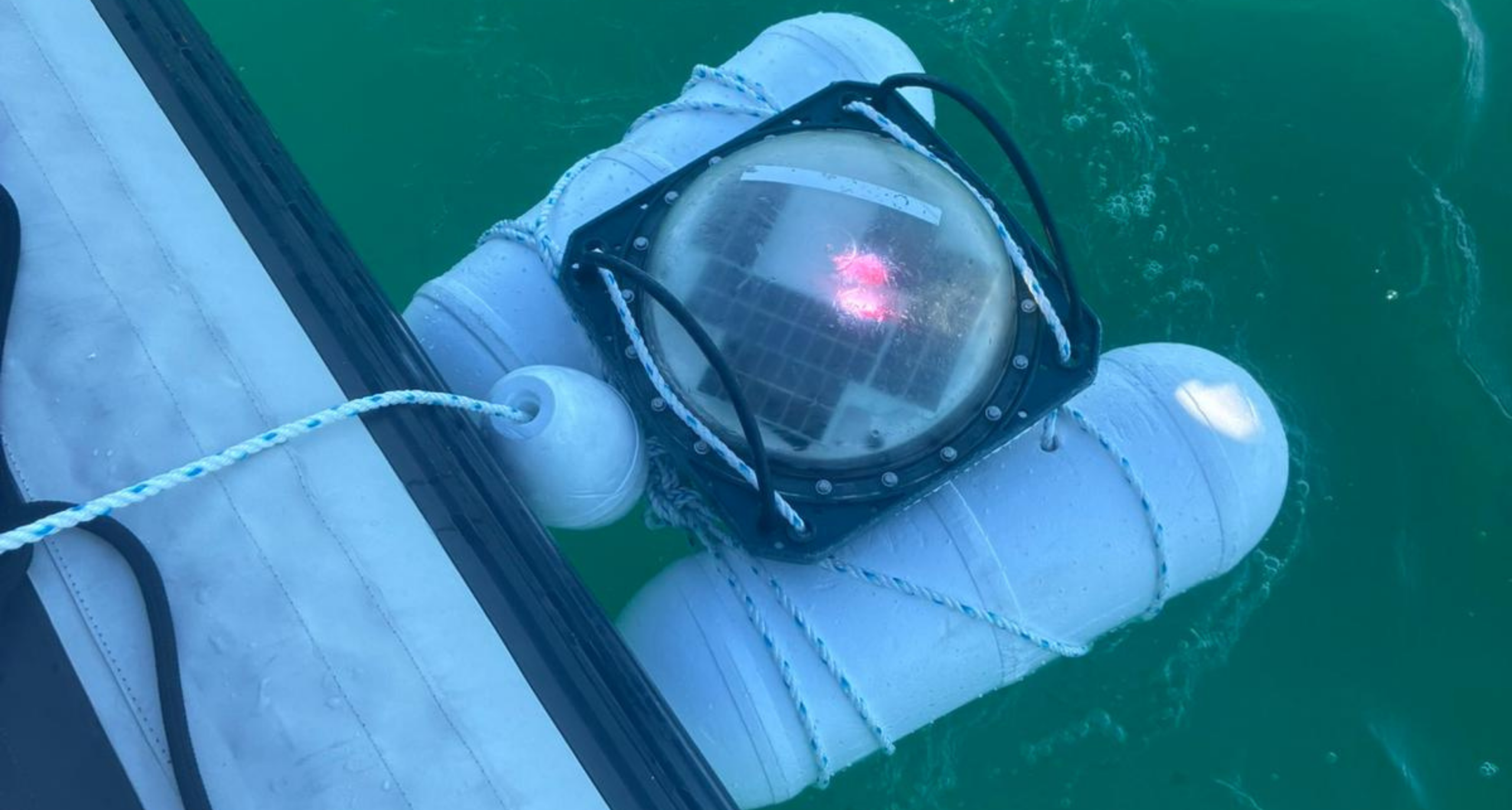
Over the past month, the NPWS Large Whale Disentanglement Team has conducted sea trials to determine whether three different buoy designs can be adapted to track entangled whales during rescue operations that may extend over several days.
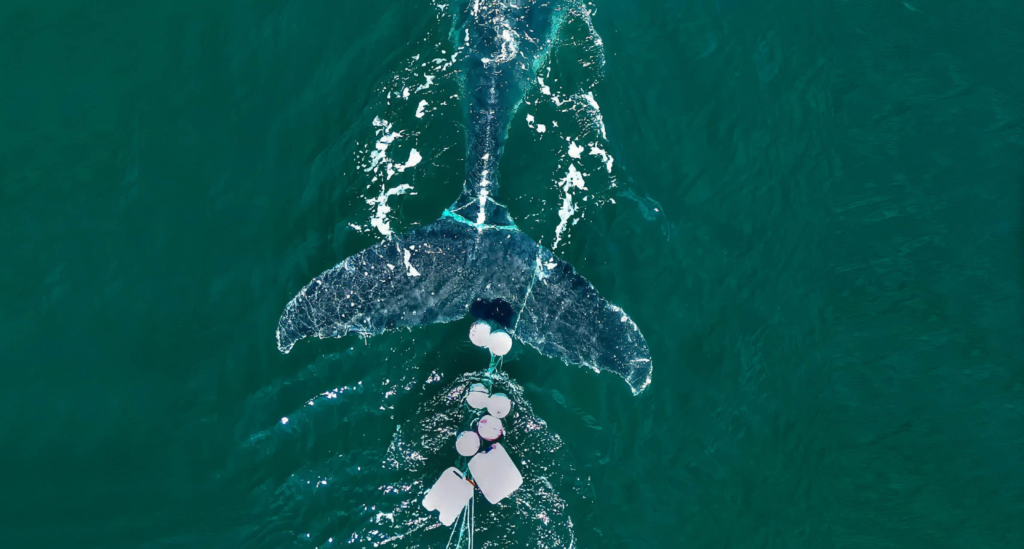
More than 50,000 humpback whales migrate along the NSW coastline each year, but lost and discarded fishing gear poses a serious threat to these animals. When whales become entangled, rescue operations can be dangerous, complex and time-consuming.
Rescuers sometimes have no choice but to suspend an operation because of nightfall, severe weather, or unsafe sea conditions. A satellite buoy attached to the entangling gear could allow the team to continue monitoring the whale’s location in real time and return directly to the animal when conditions are safe.
The three solar-powered buoy designs being tested were recovered through Tangaroa Blue’s source-reduction partnerships with international fishing technology companies Satlink, Marine Instruments and Zunibal. Each company operates its own recovery initiative, working with Tangaroa Blue to retrieve lost satellite buoys and prevent this valuable technology from becoming marine debris.
With technical support from the three manufacturers, Tangaroa Blue and NPWS are now exploring whether the recovered devices can be given a second life supporting marine wildlife rescue.
Unlike the battery-powered tracking units commonly used in whale disentanglement operations, the recovered devices are solar-powered and may offer a longer operational lifespan.
The trial demonstrates how collaboration between the fishing industry, environmental organisations, and wildlife agencies can prevent marine debris while creating practical circular-economy solutions for marine conservation.
Attributable to Heidi Tait, CEO of Tangaroa Blue Foundation
“Instead of allowing these satellite buoys to become waste destined for landfill or to break apart on our beaches, we are exploring how they can be given a second, potentially life-saving purpose.
“Tangaroa Blue works directly with international fishing technology companies to recover lost satellite buoys, understand how and why FAD equipment is being lost, and develop solutions that prevent it from becoming marine debris.
"This trial takes that work a step further by exploring whether recovered technology can support whale rescue teams and improve outcomes for entangled animals.
“It is a powerful example of circular-economy thinking in action, bringing industry, environmental organisations and wildlife experts together to turn recovered fishing technology into a conservation tool.”
Attributable to Britt Anderson, Marine Wildlife Project Officer at NSW National Parks and Wildlife Service
“Whale disentanglement operations can be incredibly complex, and they become even more challenging when weather conditions or darkness force us to pause a rescue.
“These buoys have the potential to be a game-changer for our team, allowing us to maintain contact with an entangled whale and quickly relocate the animal when it is safe to return to the water.
'Every hour counts during a rescue operation. Technology that helps us make informed decisions and respond more efficiently could significantly improve outcomes for both the whale and our crews.”