WA Beach Clean-up - Frequently Asked Questions
General Information
What is the Western Australia Beach Clean-up?
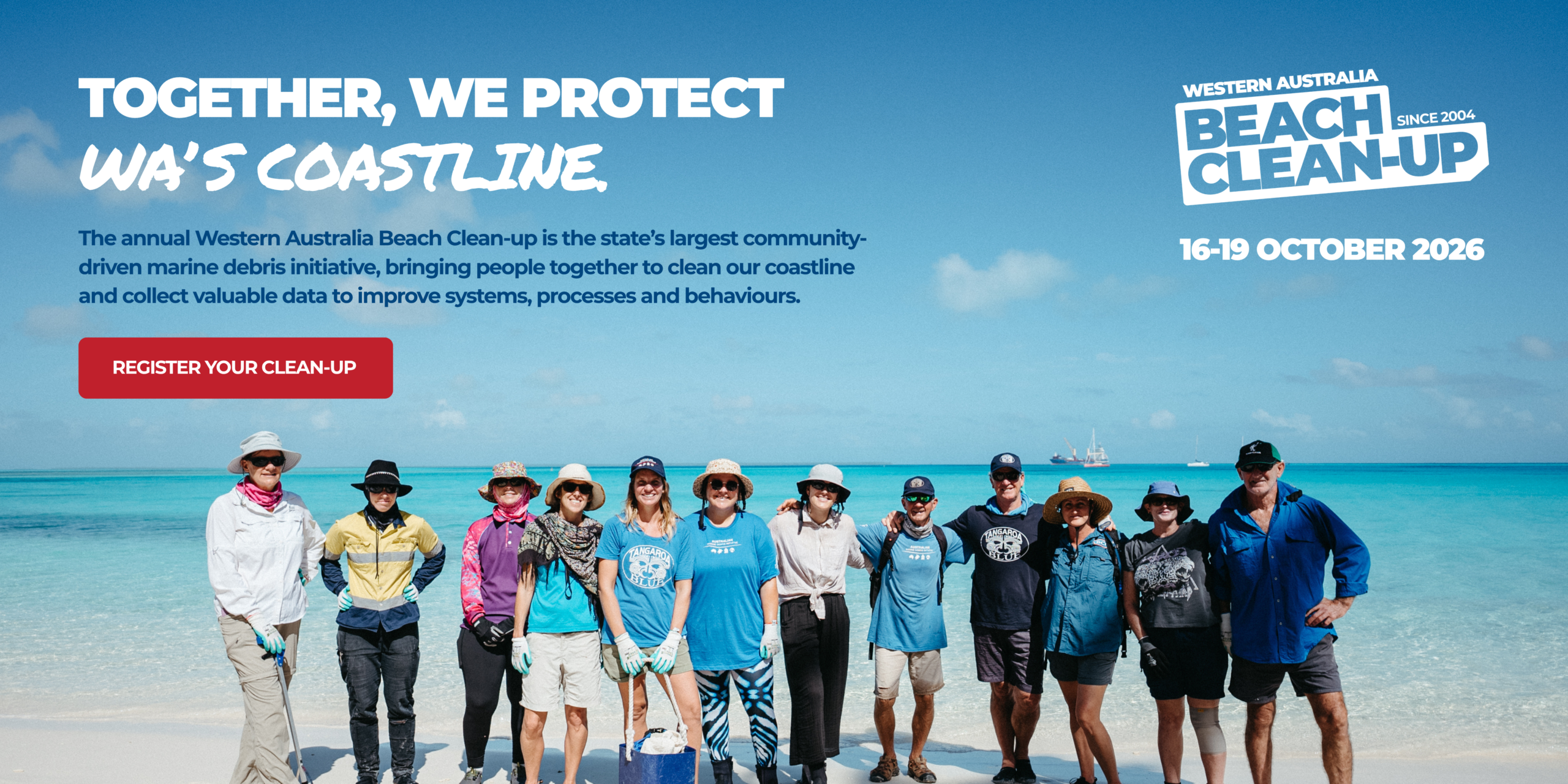
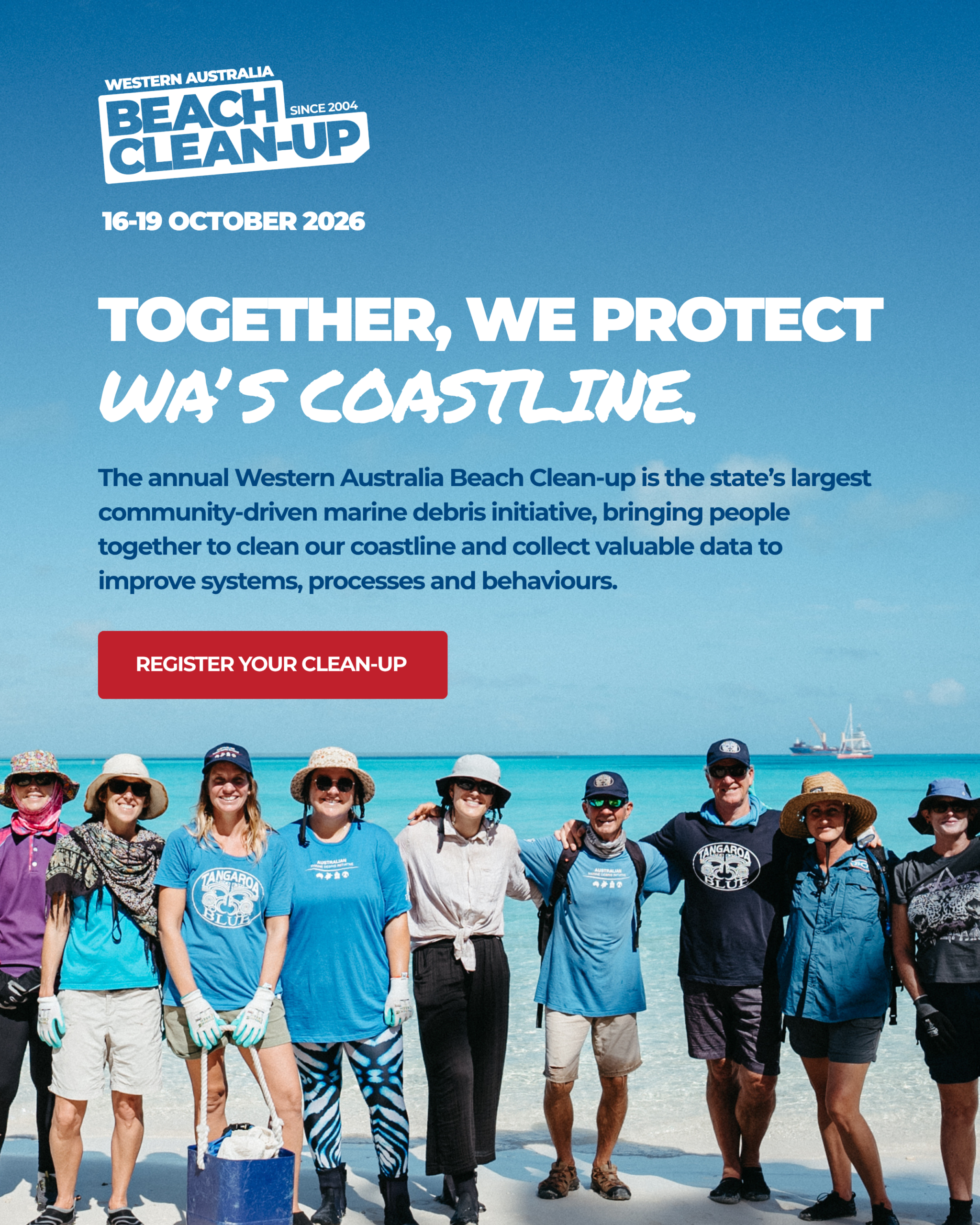
The WA Beach Clean-up is an annual event run by Tangaroa Blue Foundation for 22 years. It brings together individuals, schools, community groups, and businesses to remove marine debris from WA’s coastline. This year’s event takes place from 16 to 19 October 2026. You can register for a clean-up or join an existing one — find your nearest on the interactive map.
When and where is the Western Australia Beach Clean-up 2026?
The WA Beach Clean-up takes place state-wide from 16 to 19 October 2026, at beaches, rivers, creeks, and waterways across Western Australia.
Who can participate?
Anyone can join! Whether you’re an individual, school, community group, or business, you can register a site or take part in an existing clean-up.
How do I register a clean-up site?
Registrations are open until 11 October 2026. If you are ready to go, you can choose a location, gather your group, and complete the registration form.
For questions, contact wabcu@tangaroablue.org.
Can I participate without registering a site?
Yes! Find and join a local clean-up via the WABCU 2026 interactive map.
How can schools or community groups get involved?
Yes! Registrations are open until 11 October 2026. If you are ready to go, you can register to run an event, too!
How can I stay updated?
Sign up for updates via our WA Beach Clean-up mailing list.
Who can I contact with questions?
Email us at wabcu@tangaroablue.org
Who are the event sponsors?
We are proudly sponsored by Keep Australia Beautiful WA, Tallwood Custom Built Homes, Southern Ports, Containers for Change WA (WARRRL), and Fremantle Port.
Can businesses sponsor or support the event?
Sponsorship for this year has closed, but we are always pleased to see local businesses supporting the event. Why not help promote WABCU 2026 through your network or arrange/support your own local clean-up!
For more information or future sponsorship opportunities, email wabcu@tangaroablue.org
Running a Clean-up
What’s included in the clean-up kit?
Your clean-up kit contains reusable hessian clean-up bags, gloves & sharps containers. You will also receive some printed materials, including an Event Information Sheet, Volunteer Registration Form, and Data Sheet.
This year, your kit will also include a Containers for Change WA recycling bag!
Do I need special equipment?
No special equipment is needed. We provide coordinators with clean-up kits with gloves, sharps containers, and waste bags. Please wear enclosed shoes and a hat, and bring water, sunscreen, and a first aid kit – just in case.
Are there safety guidelines?
Yes. We provide a safety guide with tips on handling debris, sun safety, and more, sent after registration.
How do I dispose of collected rubbish?
For a larger event, you can contact your local council and make disposal arrangements with them (date, time of clean-up, and location where debris is to be left). For smaller clean-ups, recycling can be disposed of in the usual way, through council or household recycling, and non-recyclable items in local council waste bins.
If you find any eligible drink containers, you can deposit them with Containers for Change WA. Get 10c for every bottle/can, or donate it back to Tangaroa Blue Foundation by using our donation number: C10033976. Containers must still have their barcode to be eligible for Containers for Change.
Can children participate?
Of course! We love to see kids introduced to environmental stewardship, and they’ll hopefully learn a lot about their local environment! However, they must be adequately supervised by an adult during the event.
Can I hold a clean-up outside of the 16-19 October?
We know not everyone can meet the event dates; in which case, please let us know in advance. We do require all clean-up data to be submitted by 31 October 2026 so that we can meet reporting deadlines.
Will you provide advice on how to run a clean-up?
Yes, we have lots of useful advice in our Clean-up Toolkit.
We also have additional resources on our website including:
Collecting Data
How is the data collected used?
Data helps identify marine debris sources and supports prevention efforts through the Australian Marine Debris Initiative (AMDI) Database.